
"Bringing biodiversity to the field"
Wildlife biologist Daniel Hoffmann advises Wilfersdorf Estate Operations on biodiversity matters. Beetle banks have proven to be extremely efficient.

Why is biodiversity important for agriculture?
Hoffmann: Biodiversity is a guarantee that ecosystems are functioning well. If we grow foodstuffs in our fields, then we use the functionality of these ecosystems. These include insects, birds and mammals.
HOW CAN FARMERS TELL THAT BIODIVERSITY IS DECLINING?
Hoffmann: For instance, if pests are increasing and beneficial organisms are disappearing from the ecosystem. It is not natural and is dangerous for our crops. Especially in single-crop farming, this can lead to poor harvests. And we must therefore counteract this.
Can we do this?
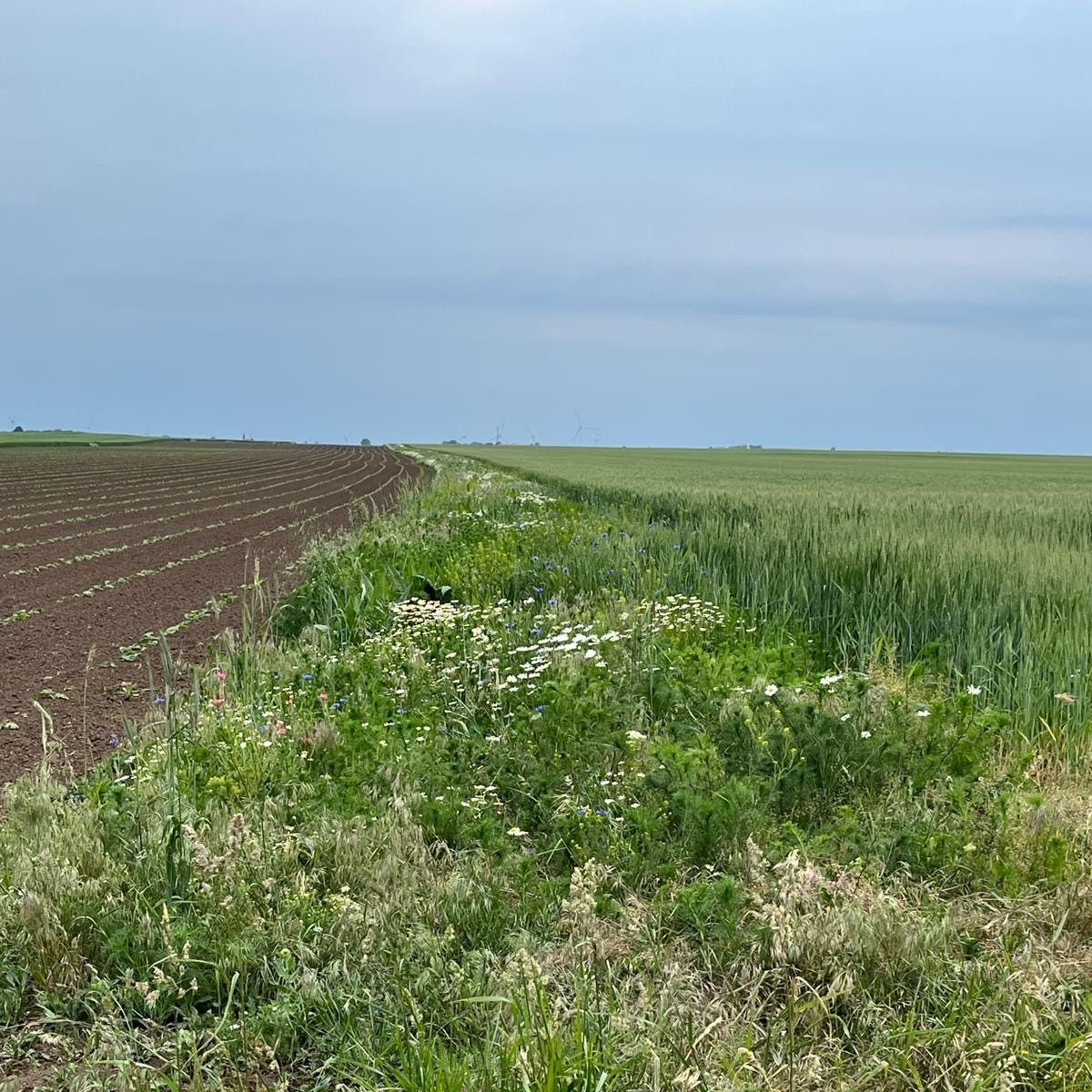
Hoffmann: Yes, there are many different ways to do so. One of them would be to create beetle banks and flower strips on areas of arable land. One to three percent of the area of arable land is enough to restore biodiversity.
What is a Beetle bank?
Hoffmann: Beetle banks — also known as insect walls — were developed by English biologists in the 1980s and were finally also discovered in continental Europe. They are uncultivated strips untouched by either tractors or other machinery. Insects, birds and other animals very quickly recognize that they are a safe haven to rest and settle there.
What do beetle banks look like?
Hoffmann: Beetle banks are areas similar to mounds and walls that offer the perfect living conditions for insects and small creatures. They are dry and also constantly offer wind-sheltered sides, two important criteria for colony-building insects such as ants and some wild bee species. Many ground beetles can also propagate there. Ground beetles are predatory insects that eat other insects, such as aphids. This also benefits agriculture and birds in turn.
Why birds?
Hoffmann: Because ground beetles and ant pupae are protein bombs for birds, and they need these protein bombs to breed and feed their chicks. Everything is connected to everything else. But there are also many other beetle species, wild bees and ants that find a home in these beetle banks. Agriculture needs bees to pollinate plants. Another reason to want to have them on the land.
Where does it make sense?
Hoffmann: Anywhere inside and between the fields. Beetle banks should not be positioned parallel to and alongside paths but preferably perpendicular to them, as well as near flower strips and hedgerows. A headland can remain, so that it remains feasible for farming.
In what way is proximity to hedgerows or flower strips important?
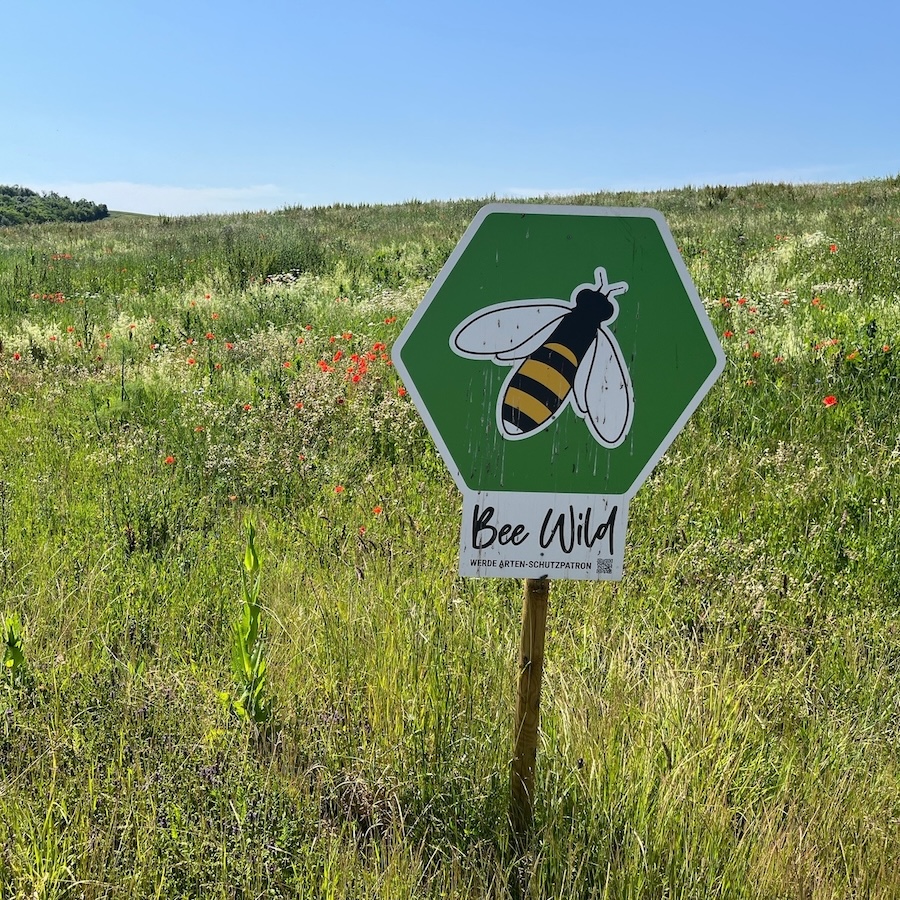
Hoffmann: We have discovered that many solitary bees of the wild bee species overwinter in the dry stalks of the flower strips. It is important that these grasses are not cut or mulched. This is the case with hedges and flower strips and therefore offers good survival conditions. This is all the more important because the wild bee fauna in Germany and Austria is in a very sad state. The abundance of species has certainly declined by 50 percent in the last 25 years, and locally some species have even disappeared completely. If planted, sown and placed correctly, beetle banks are a way of bringing biodiversity back into the cultivated landscape.
Almost half of all species have disappeared; this represents a 50-percent loss of species.
You have set up beetle banks in Wilfersdorf Estate Operations. What is your experience?
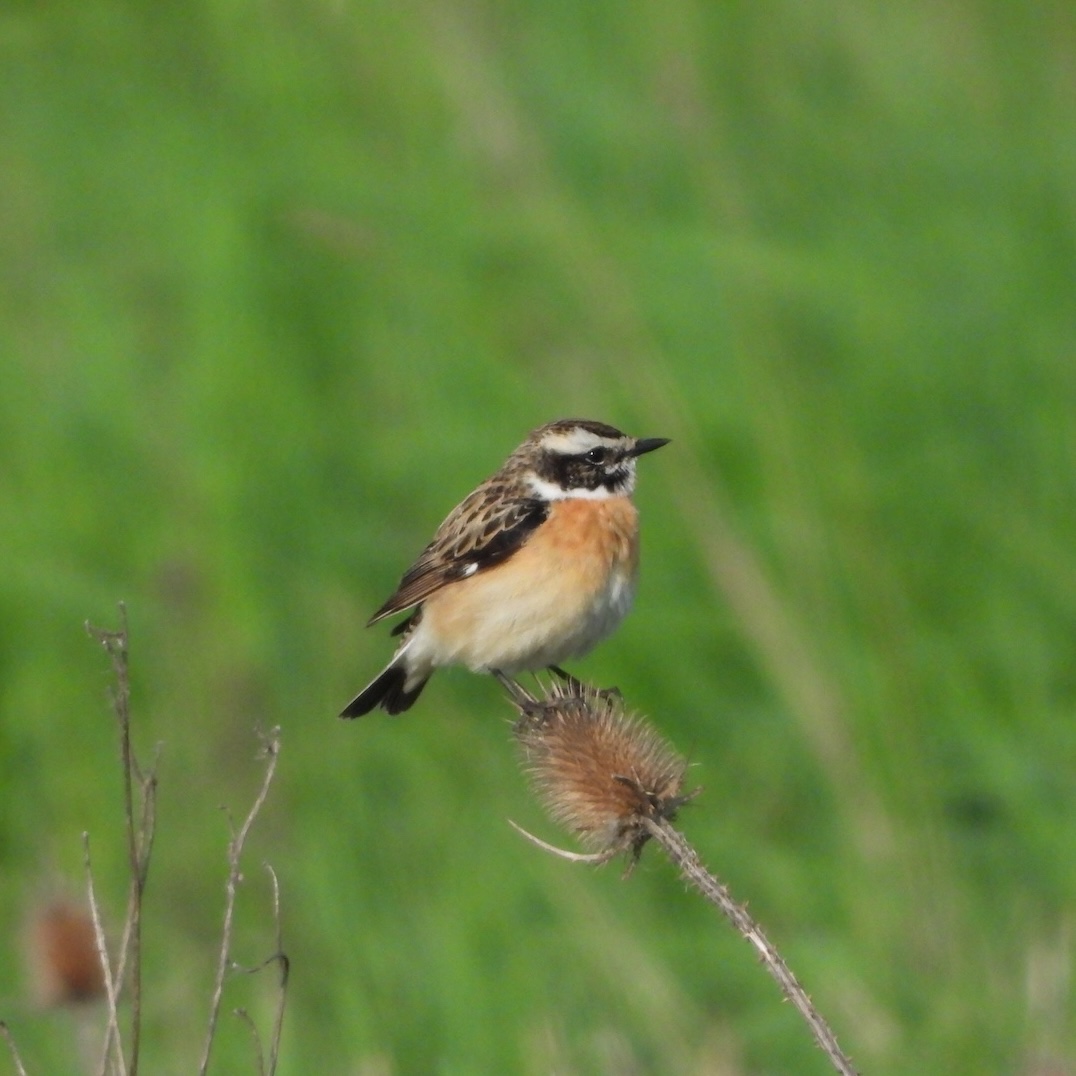
Hoffmann: That they work well. We support the project scientifically, and I make regular visits to document the developments. Now, in fall, a hare count is pending. We are registering a 20 to 30 percent rise after three years, as these hedgerows and quiet areas have become key elements of their home range. The partridge population has also grown to somewhat the same extent and has spread into other areas. Deer even give birth to their fawns in beetle banks. And birds, especially ground-nesting birds, settle there. In this respect, the skylark population has grown by 50 percent, and whinchats, which had as good as disappeared over the past 30 years, are coming back. Beetle banks are also very positive for fauna as a whole.
What holds farmers back from establishing beetle banks and flower strips?
Hoffmann: There are bureaucratic reasons. Farmland and green spaces are officially evaluated differently. Useful areas are worth more. Many farmers fear that flower strips could be reclassified by the authorities as permanent grassland after five years and don’t take the risk. Simplifying the reporting of these kinds of areas would also be helpful and would reduce red tape. These kinds of regulations are part of the biodiversity crisis; it would be important to set new priorities.
Bio
Daniel Hoffmann is a wildlife biologist and biogeographer and Executive Director of the nature conservation association Game Conservancy Deutschland. He has been advising Wilfersdorf Estate Operations for three years.

More stories

LIECHTENSTEIN
GROUP