
From heaven and earth
Regenerative farming is practiced in the Liechtenstein Group’s operations in Wilfersdorf — every worm counts in the field and between the vines.

If the soil is good, the yield is good. This is a timeless truth in farming that landowners understand only all too well. Plants need nutrients from the soil to be able to grow. If the soil is depleted, the harvest is poor. “We are responsible for this land and have to contend with the new climatic conditions,” says Hans Jörg Damm, Head of Wilfersdorf Estate and Forestry Operations. On the one hand, these include increasingly frequent torrential rainfalls that flush nutrients out of the soil, making farmland less and less fertile. On the other hand, they also involve long periods of drought that afflict farming. “It’s about retaining water and nutrients in the soil,” notes Damm. There is a clear strategy for both of them. “A goal is to keep our farmland green throughout the year.” Firstly, green means that the plants’ many fine roots in the field make the ground receptive to water, especially in the case of heavy rainfall. However, green also means that the soil is better protected against drying out in periods of drought.
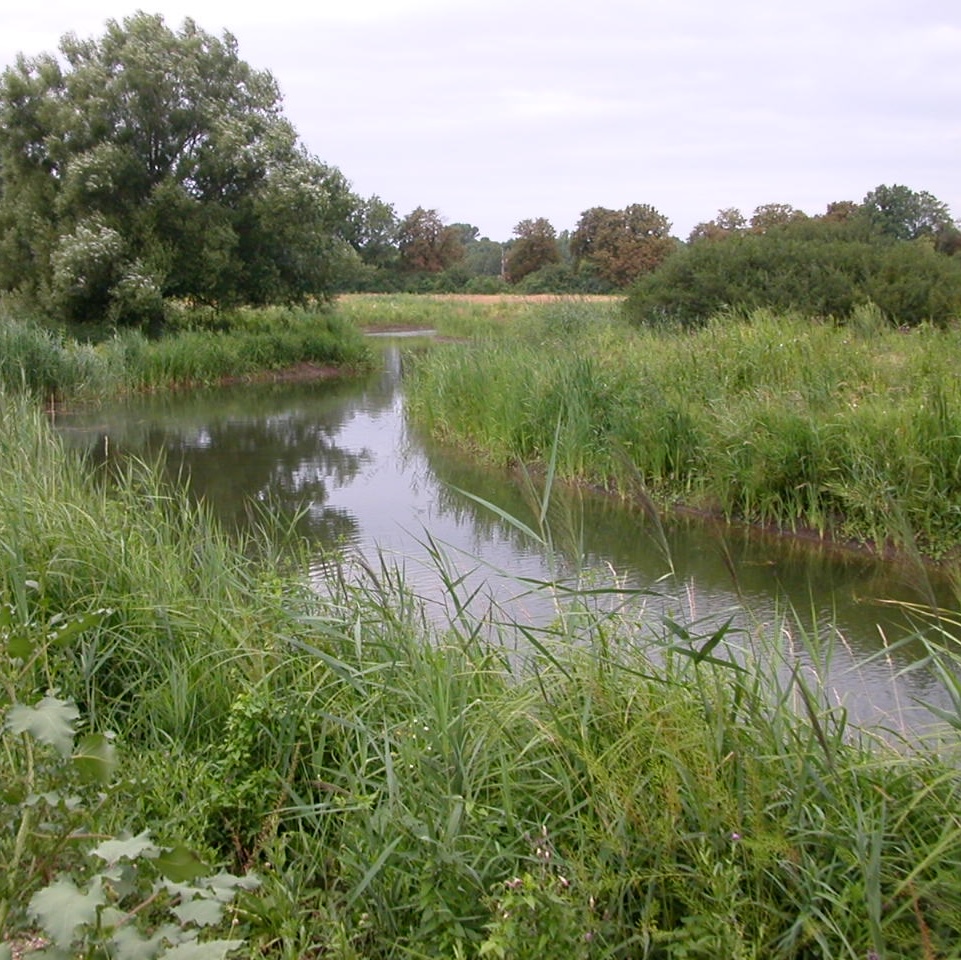
Josef Stumvoll, Cellar Master at the Winery of the Prince of Liechtenstein just a few minutes’ drive from the Estate Operations, takes a similar view. His focus is not the fields but the green strips between the vines, the so-called aisles, which are often only bare brown earth in the surrounding vineyards. When there are downpours, they turn into fast-flowing streams. “It flushes all the minerals and nutrients out of the soil, which we want to avoid because it compromises the grape harvest and ultimately the wine,” says Stumvoll. He takes a different approach in the winery, as nutrients and minerals in the soil can be thought of in a similar way to the effects of vitamins on the body. “Regenerative farming has also come to viticulture,” says Stumvoll.
What biodiversity brings
Regenerative farming means new soil management strategies. “For instance, we encourage earthworms,” say both Hans Jörg Damm and Josef Stumvoll, as earthworms are an indicator of healthy soil. In order to make it a reality, a series of innovative measures have been implemented in Wilfersdorf Estate Operations. First of all, the soil is worked as gently as possible and plows are avoided. “We practice no-till farming to maintain the soil structure,” explains Damm.
Secondly, in recent years the natural crop rotations have been expanded for phytosanitary reasons and planned years in advance. Oilseed, winter wheat, barley, sunflowers, sugar beets and durum wheat are planted in rotation, because these plants need different nutrients and so the soil quality is naturally preserved — i.e., the phosphorus, potassium and magnesium content and the pH value. “We measure it continuously and when necessary can offset it with mineral fertilizers,” Damm points out.
And thirdly, in Wilfersdorf Estate Operations, biodiversity is promoted as part of different projects. Up to 18 percent of agricultural land is made available for nature and bird sanctuaries, biodiversity strips, hedgerows, wild fields, beetle banks or wetland habitats. “In this respect, the farm estate is an absolute exception and trailblazer in Austria,” Damm is proud to report. The German wildlife biologist Daniel Hoffmann supports the team in an advisory capacity. “Biodiversity is a guarantee that ecosystems are continuing to function,” says Hoffmann, and they are needed to maintain soil functionality and thus the production of food for human consumption.
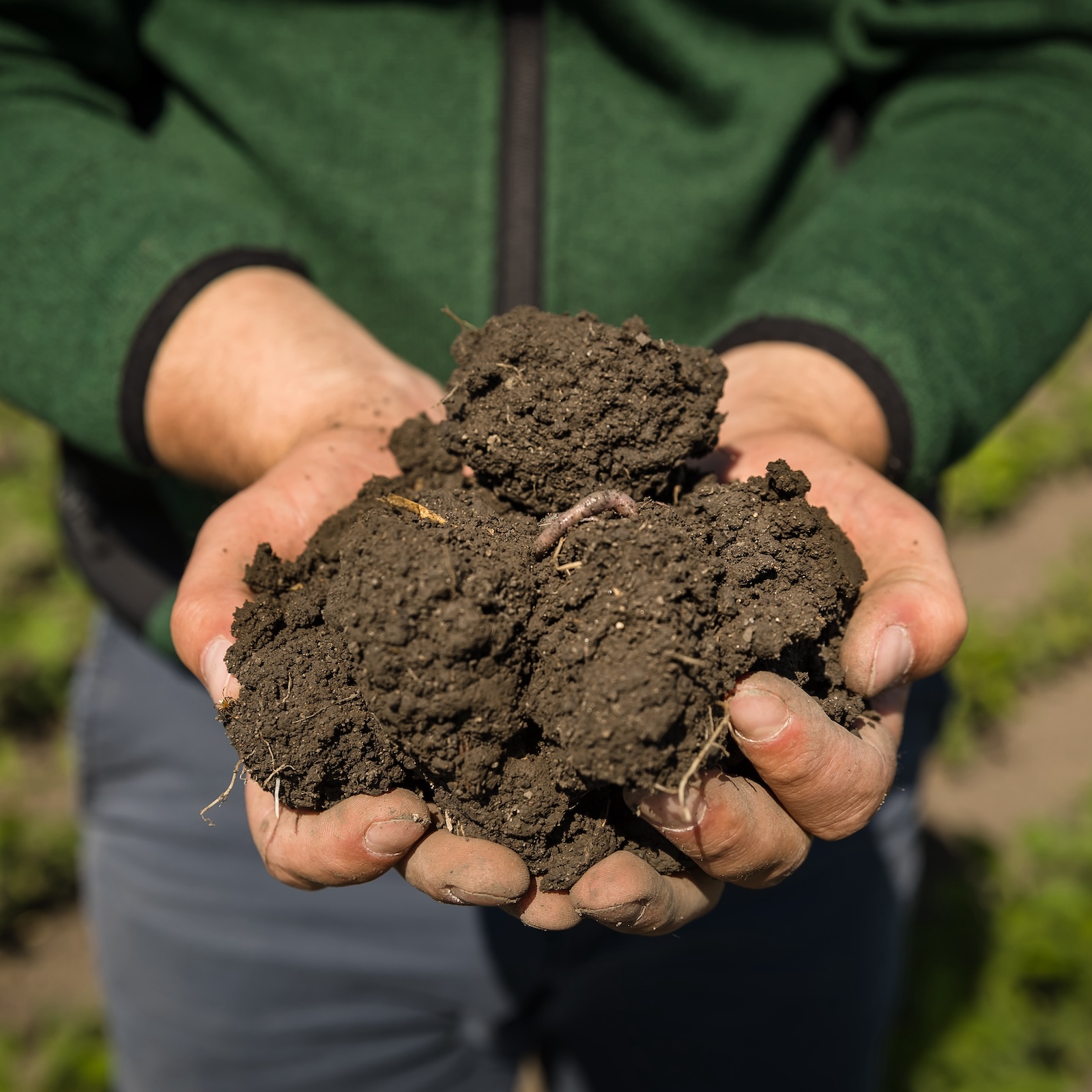
Earthworms as an indicator
And what does Wilfersdorf Estate Operations do differently from most farms in the vicinity? 6,000 linear meters of hedgerows consisting of wild fruit trees and heat-resistant flowering shrubs have been planted, in whose shade insects and birds alike feel at ease. “Whinchats are ground-nesting birds and had as good as disappeared from the Weinviertel region. Now they are settling there again,” Hoffmann can report, and the number of skylarks increased by 50 percent in the open country. “And because the hedgerows were planted along the former ditches, they are also a measure against drought,” adds Hans Jörg Damm.
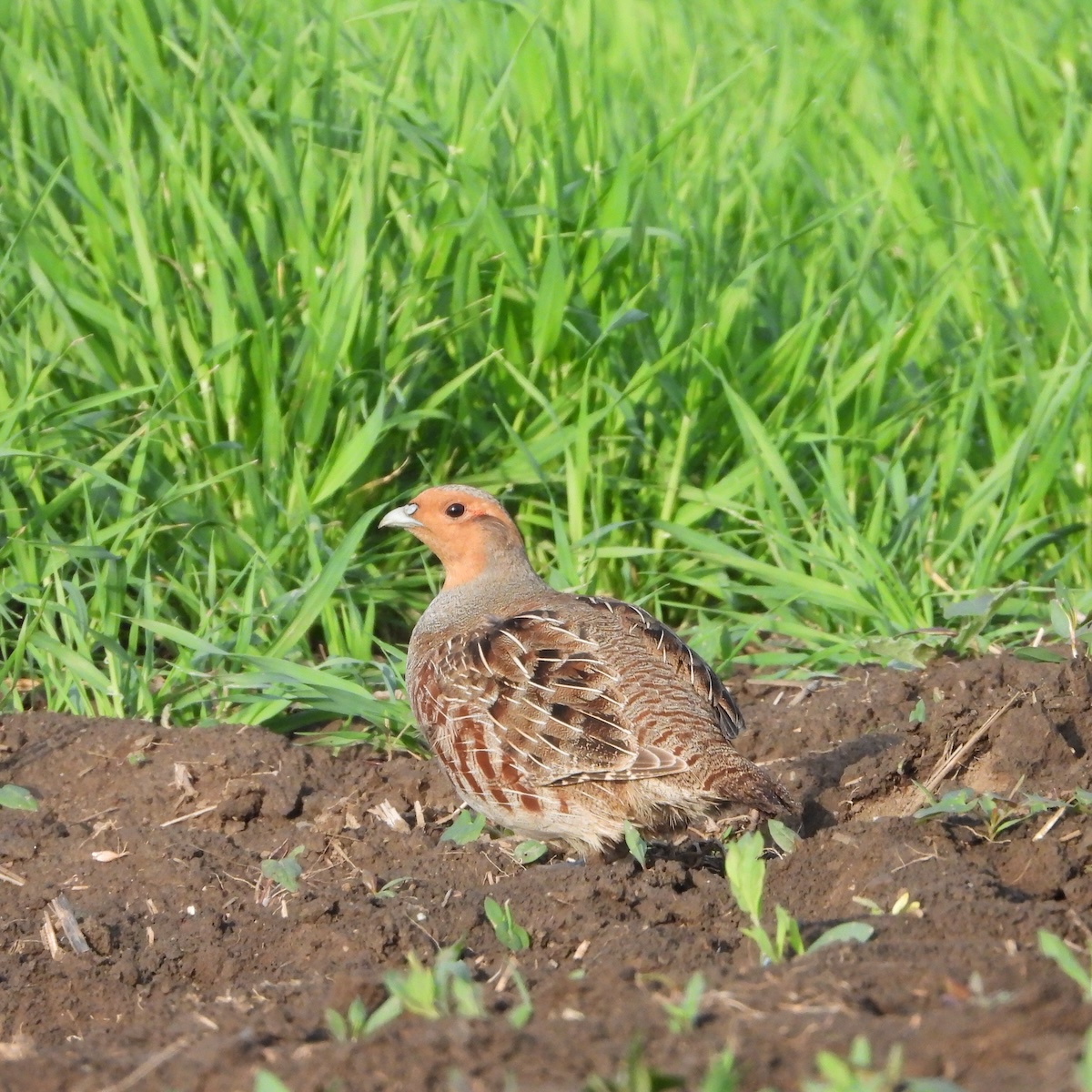
Rest areas in the field
The so-called beetle banks are also innovative for the region. They are mound structures in the middle of fields that offer major advantages for soil-hibernating insects, for wild bees and ants, for instance, without which the pollination of some plant species would not be possible. They are undisturbed habitats in the fields, which insects need to reproduce. “They are dry and also offer protection from the wind,” explains Hoffmann. These rest areas also attract many other animals. Hoffmann has increasingly spotted fawns, partridges, pheasants and hares there. “Beetle banks are rest areas sought after by many animal species,” he says. “One to three percent of the total area of arable land is all it takes for a beetle bank in order to increase biodiversity,” Hoffmann points out, with the hope that Wilfersdorf’s example will be replicated by others in the region.
The Princely Winery is already serving as a successful role model for other winemakers in the region. The vegetated strips between the vines have also proved extremely beneficial in the event of heavy rainfall. “The roots of the different grasses and plants in the aisles provide drainage and channel water into the soil,” recounts Stumvoll. However, unfortunately he cannot completely forgo using a tractor. “We try to minimize the number of trips and always drive along the exact same strips,” notes Stumvoll. The insects and earthworms seem to understand this, as they settle in the area between the wheels, in other words anywhere not rolled over by the tractor’s thick tires. Ultimately, says Stumvoll, these insects are also responsible for soil decomposition, i.e., the breakdown of plant remains, which account for soil’s nutritional value. And this is the decisive factor for good wine.
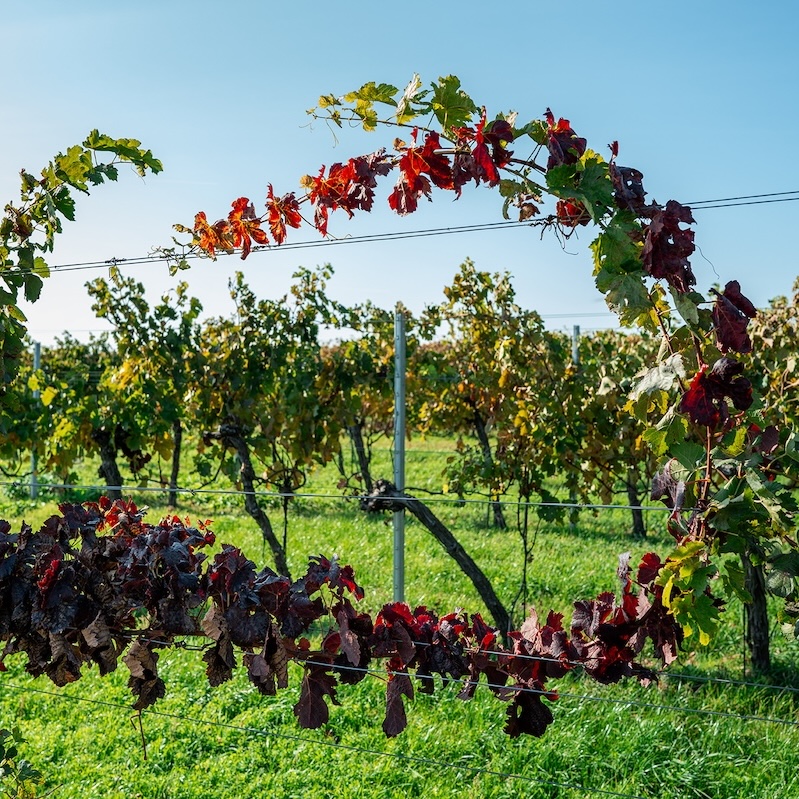
Life between the vines
When it comes to greening the aisles, Stumvoll and his team are currently carrying out pioneering work. Greening in winter consists of four or five plant species, especially legumes. “This allows us to guarantee the soil’s nitrogen content, which we need at the start of the season in the spring,” declares Stumvoll. In summer, he mixes in shallow-rooted plants, vetches, clovers and aromatic plants. “We are experimenting to find the optimal mix,” says Stumvoll, because every soil is slightly different. And the weather also changes from one year to the next.
The conclusion: anyone practicing regenerative farming following the model of the Winery of the Prince of Liechtenstein and Estate Operations has to understand heaven and earth. This is especially true in times of climate change, which they are addressing with creative solutions here in Wilfersdorf.


More stories

LIECHTENSTEIN
GROUP